
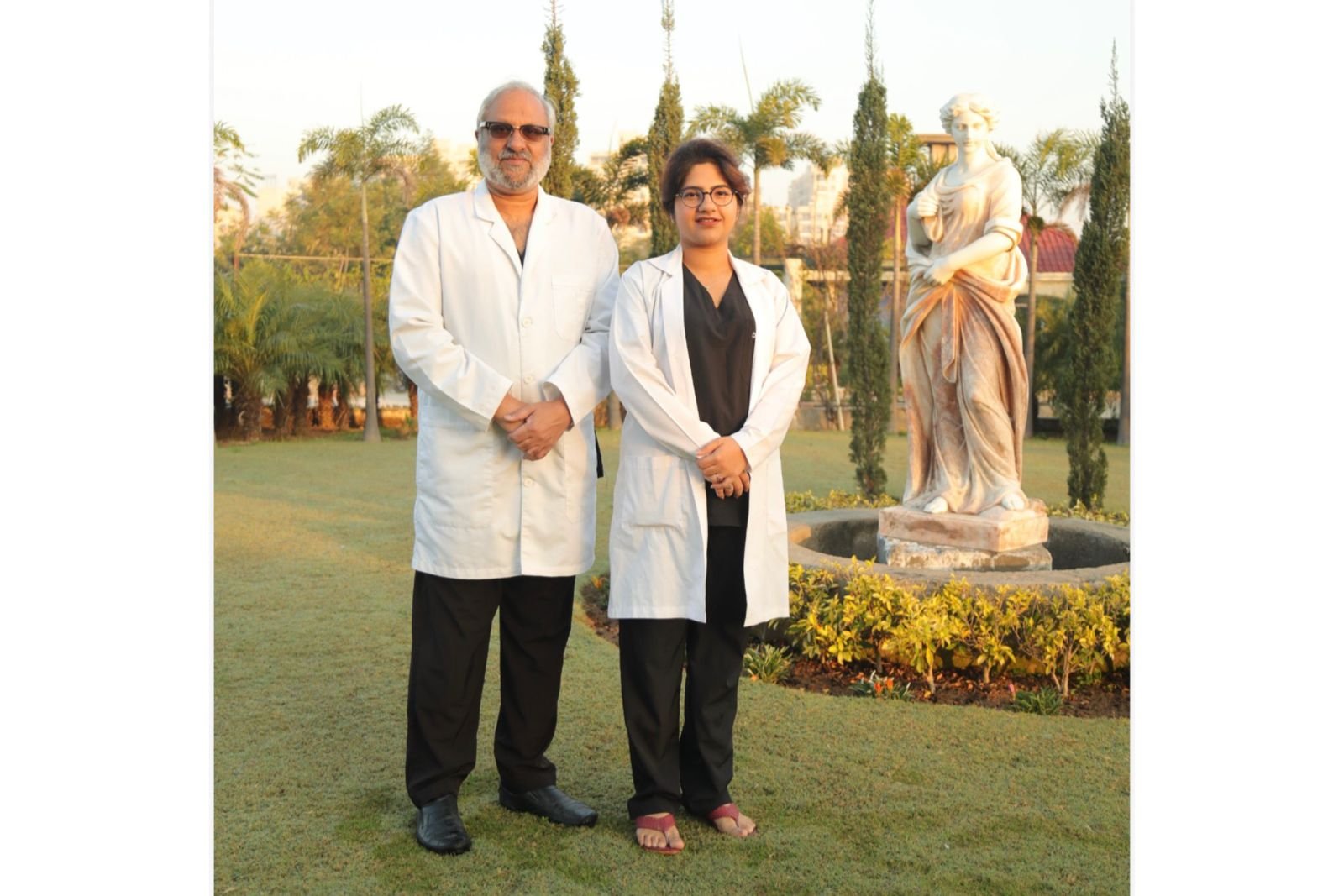
India’s hair transplant industry has seen major growth over the last decade, with rising demand from professionals, entrepreneurs, actors, and younger patients dealing with hair loss. As more clinics enter the market, experts say patient awareness around surgical quality and transparency is also increasing.
According to Mumbai & Mohali based hair transplant surgeon Dr. Tejinder Bhatti, modern patients are no longer influenced only by advertisements or low-cost packages. Many now research doctor involvement, clinic standards, and long-term patient outcomes before choosing treatment.
Hair restoration specialists believe this shift is changing how the industry operates, especially as concerns around technician-led procedures and unrealistic marketing continue to grow.
Hair Restoration Procedures Continue to Rise
Doctors say hair transplant surgery has become more common across India due to changing lifestyle patterns, stress-related hair loss, and increased social visibility.
Unlike earlier years, when cosmetic procedures were discussed privately, patients today openly explore treatment options online and through social media platforms.
Industry experts say this visibility has helped normalize hair restoration procedures, especially among younger working professionals.
At the same time, the rapid expansion of the market has also created strong competition among clinics, leading some centers to prioritize procedure volume over personalized care.
Medical professionals warn that hair transplantation is a microsurgical treatment that requires planning, precision, and proper donor management.
Patients Now Look Beyond Marketing
According to specialists, one of the biggest changes in the industry is the way patients evaluate clinics before surgery.
Many people now ask detailed questions about who performs the extraction and implantation process, how donor hair is managed, and whether long-term follow-up care is available.
Doctors say this trend reflects growing awareness about failed or unnatural transplants shared online by patients seeking corrective procedures.
Dr. Bhatti says consultations increasingly involve discussions about realistic expectations and future hair loss progression rather than only focusing on immediate cosmetic change.
Experts believe informed patients are helping push the industry toward more transparent hair loss treatment practices.
Direct Surgeon Involvement Remains Key Topic
One of the major discussions within the hair restoration sector continues to involve doctor participation during surgery.
Hair transplant specialists explain that graft extraction, implantation angles, and hairline design directly affect how natural the final result appears.
In many high-volume clinics, technicians perform large parts of surgeries while doctors supervise multiple procedures simultaneously.
Medical professionals say this model can affect consistency and long-term outcomes.
Dr. Bhatti’s “One Patient. One Doctor. One Clinic.” philosophy has remained central to his practice for more than two decades. According to specialists, controlled surgical planning and direct surgeon involvement often improve precision and donor preservation.
Darling Buds Clinic Focuses on Realistic Planning
Dr. Bhatti’s work is associated with Darling Buds Clinic in Mumbai and Mohali.
Industry observers say the clinic has built a reputation around detailed consultation and personalized treatment planning rather than rapid procedure turnover.
Patients reportedly undergo donor assessment and long-term hair loss evaluation before surgery is advised.
Hair restoration specialists say this type of planning is increasingly important because hair loss usually continues with age, especially in younger patients.
The clinic also receives international patients seeking medically supervised procedures and natural-looking results.
Natural Hairlines Have Become Industry Standard
Experts say patient expectations around hair transplant surgery have changed significantly.
Earlier procedures focused mainly on density and coverage. Today, patients expect hairlines that look natural under daylight, in close interaction, with high-definition cameras & with wet hair.
According to specialists, creating a realistic hairline requires both technical skill and aesthetic judgment.
Dr. Bhatti has become known for conservative hairline planning that prioritizes facial balance and long-term appearance instead of overly aggressive cosmetic results.
Hair restoration experts say this approach has become more important as patients seek procedures earlier in life.
Long-Term Follow-Up Builds Patient Confidence
One of the biggest criticisms of the cosmetic surgery industry involves heavily edited before-and-after marketing images.
Hair restoration specialists say short-term results often fail to show how transplanted hair behaves years after surgery.
Dr. Bhatti has emphasized long-term patient documentation and realistic follow-up timelines instead of relying only on immediate transformation images.
According to experts, long-term follow-up helps patients better understand graft survival, donor preservation, and natural aging patterns after transplantation.
As India’s hair transplant industry continues to evolve, specialists believe transparency, realistic planning, and doctor-led surgical care will become increasingly important for patients choosing hair restoration treatment.
The post Dr. Tejinder Bhatti Highlights Growing Need for Transparency in India’s Hair Transplant Industry appeared first on Borok Times.